logo.png

Albin Pump continues to set the standard for peristaltic concrete pumps and cement pumps used in the construction industry. Our pumps are designed to handle abrasive, heavy, and difficult materials commonly found in cement and concrete processes.

Whether the application involves cement slurry transfer or chemical additive production, Albin Pump offers reliable pumping solutions. 

Our peristaltic technology is built to perform consistently in demanding construction environments where traditional concrete pumps often struggle.

How are cement and concrete made?

Cement is the key ingredient in concrete. It is a fine powder that reacts with water to bind materials together. Cement is produced by heating a controlled mixture of limestone, clay, and sand inside a rotating kiln at very high temperatures. This process creates a material called a clinker.

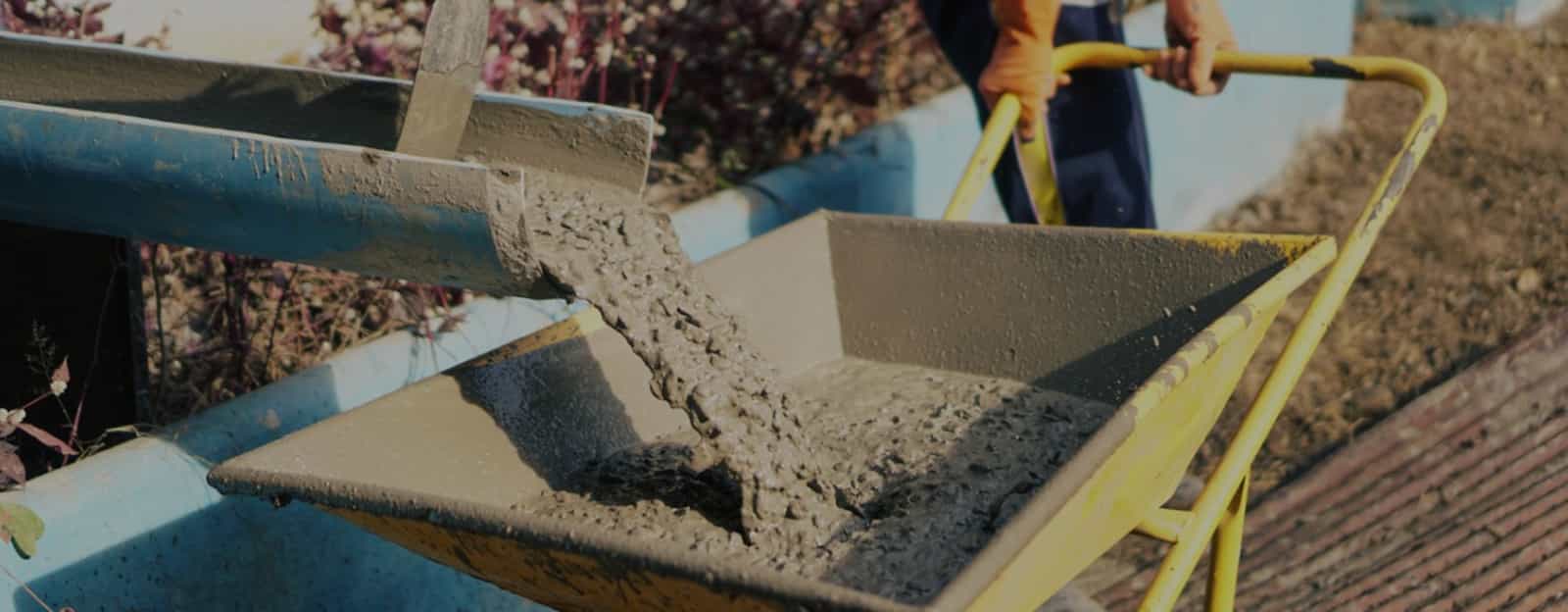
After cooling, the clinker is finely ground to produce cement powder. Concrete is then made by mixing cement with sand, gravel, and water. The result is a concrete slurry that must be moved, dosed, or processed accurately during production and construction.

Because cement and concrete slurries are abrasive and often thick, they require robust cement pumps and concrete pumps that can handle solids without clogging or excessive wear.
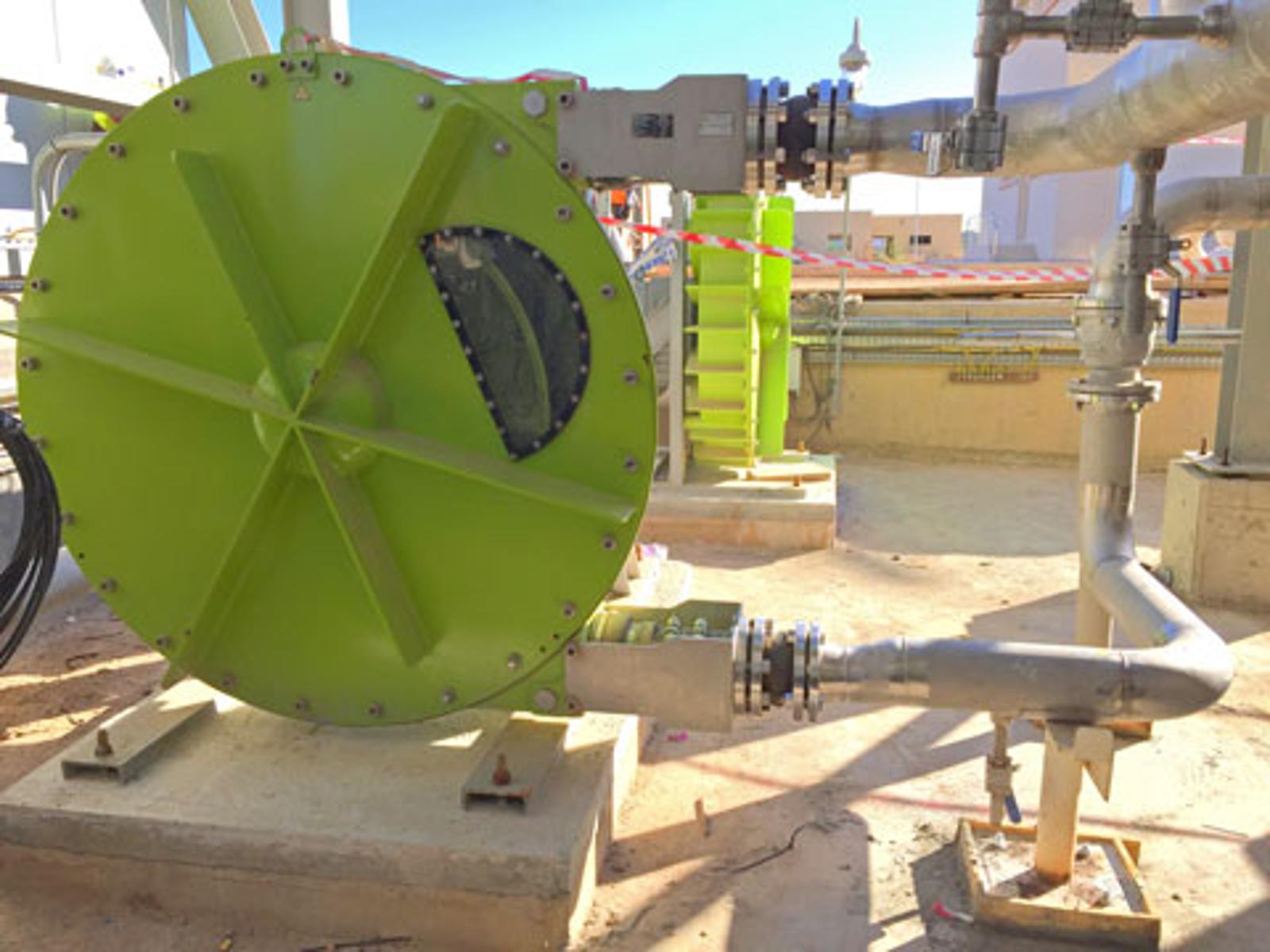
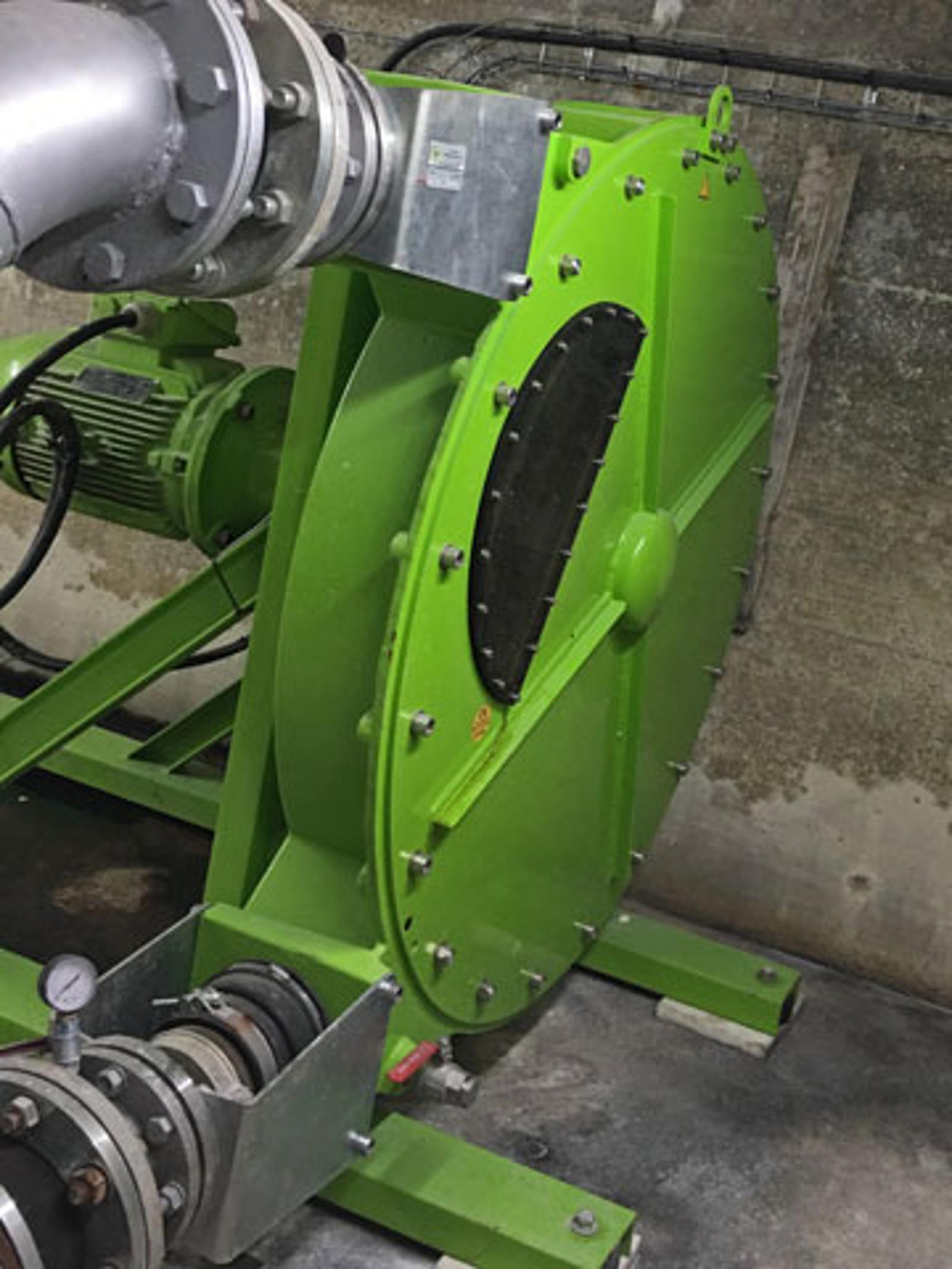
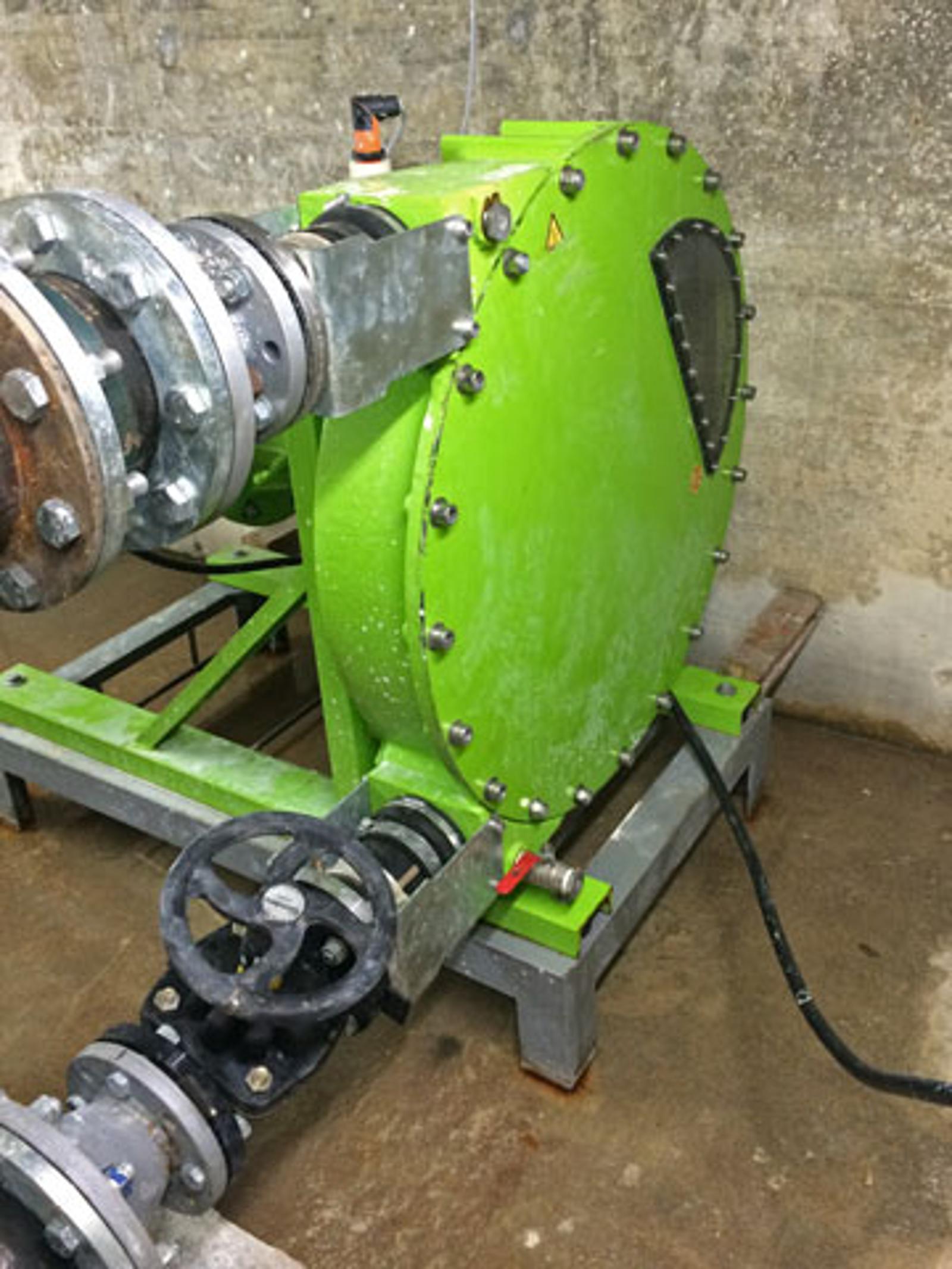
Our peristaltic concrete pumps can run dry without causing harm to the pump or hose

How do peristaltic concrete pumps work?

In peristaltic concrete pumps, the shoes move cement slurry through the hose at high pressure, so there is no need for degassing valves. The shoes squeeze the concrete to prevent backflow, removing the need for mechanical seals, creating a seal-less system.

The shoes compress the hose and eliminate internal backflow through the pump. They work similarly to a rotary pinch valve with ±1% repeatability. The movement of the shoe rotation controls the direction of the cement slurry flow, with no internal valves needed.

Albin Pump cement-concrete-pump hose pumps

Typical peristaltic concrete pump applications in the cement and concrete industry

  • Cement slurry transfer
  • Cellular concrete manufacturing
  • Production of chemical additives such as: ·
    • Flocculant, coagulant, color enhancers, strengtheners
    • Accelerant to reduce dry time inside burner during production
  • Wastewater or cleanout such as:
    • Dewatering (filter press)
    • Truck washout containing sand, silt, sediment
    • Granite cutting, stone fabrication, and glass cutting
  • Filter press applications for cement laitance
  • Concrete coloring or batching
  • 3D printing using mortar or concrete
Peristaltic concrete pumps by Albin Pumps

Why choose Albin Pump peristaltic concrete pumps for your cement and concrete needs?

Peristaltic concrete pumps operate using a simple and proven principle. Compared to many other concrete pump technologies, they contain fewer mechanical parts. This reduces wear, lowers maintenance needs, and improves long‑term reliability.

Only the inner surface of the hose comes into contact with the cement or concrete slurry. This protects the pump from abrasion and chemical attack while allowing it to handle aggressive materials with ease. Albin Pump hoses are specifically designed for high abrasion resistance and long service life when pumping cement, lime slurry, or concrete mixtures.

Albin Pump cement pumps can self‑prime and run dry without damage, which is especially useful in construction environments where operating conditions change frequently. The pumps are also suitable for shear‑sensitive fluids, allowing gentle transfer of polymers and additives without damaging their structure.


Maintenance is simple and fast. Our technology enables easy hose cleaning by flushing the linesand the process piping system in both directions, ensuring smooth, uninterrupted transfer and preventing blockages caused by residual concrete.


Scheduled service mainly involves replacing the hose, which reduces downtime and lowers total cost of ownership. Variable speed drives and PLC control can be used to control the flow rate more accurately than with a fixed-speed drive, which is essential in modern cement and concrete production.